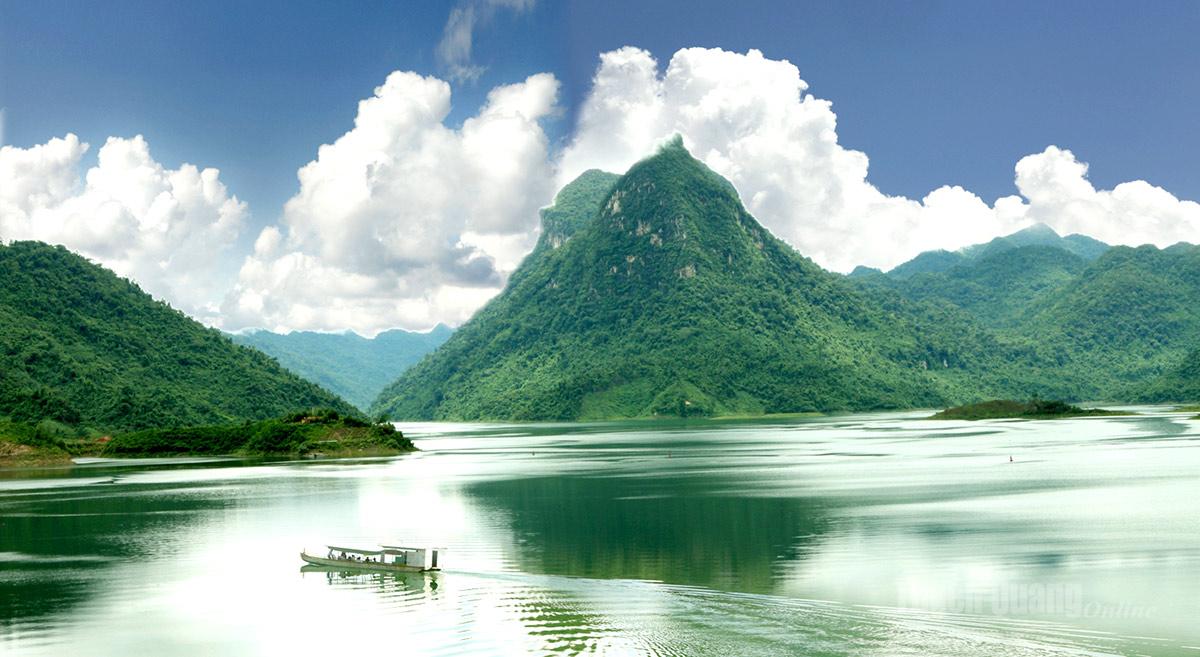
Preserving the Verdant Canopy of Ancient Forests
The path leading into Panhou Retreat winds through bamboo groves, terraced fields, and rooftops flickering through the mist. The deeper one ventures, the more profound the silence becomes. The scent of damp earth, wood, and medicinal leaves blends into the misty air, giving travelers the sensation of stepping away from the hurried pace of the outside world to return to nature in its primal state.
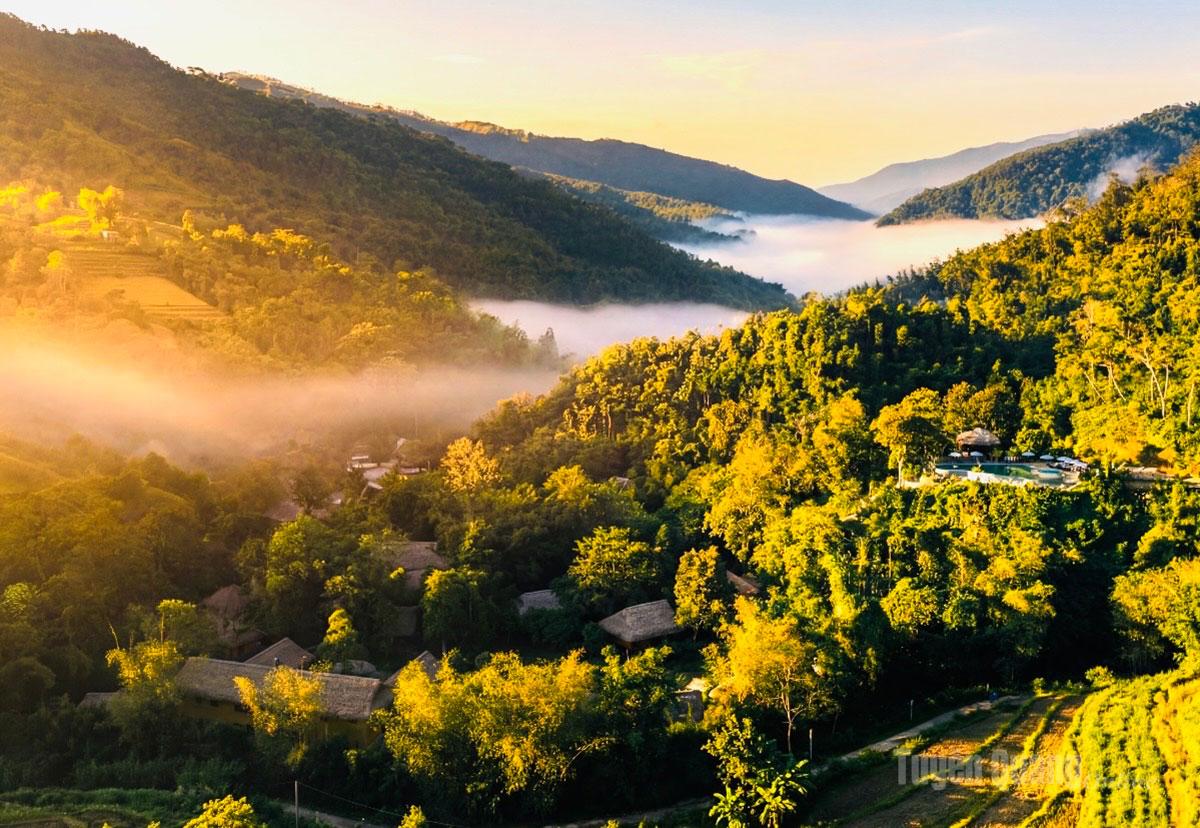
Panhou Retreat quietly tucked away in the early morning mist of the Thong Nguyen's vast wilderness
Panhou Retreat is located in Lang Giang Village, Thong Nguyen Commune, Tuyen Quang Province. This resort was recently honored by the World Travel Awards as “Asia’s Leading Green Resort 2025,” surpassing strong contenders from Japan, Thailand, and Indonesia. However, what lingers in the minds of many visitors is not the international accolades, but the rare sense of tranquility found amidst the vast wilderness.
Architecture Inspired by Red Dao Heritage
The entire resort is designed based on the traditional architectural inspiration of the Red Dao people. Palm-leaf thatched bungalows, earthen walls (nha trinh tuong), and small stone paths winding around ancient trees all utilize local materials such as bamboo, wood, river stones, rammed earth, and thatched roofs. Open spaces welcome natural light and mountain breezes, creating a rustic yet sophisticated atmosphere.
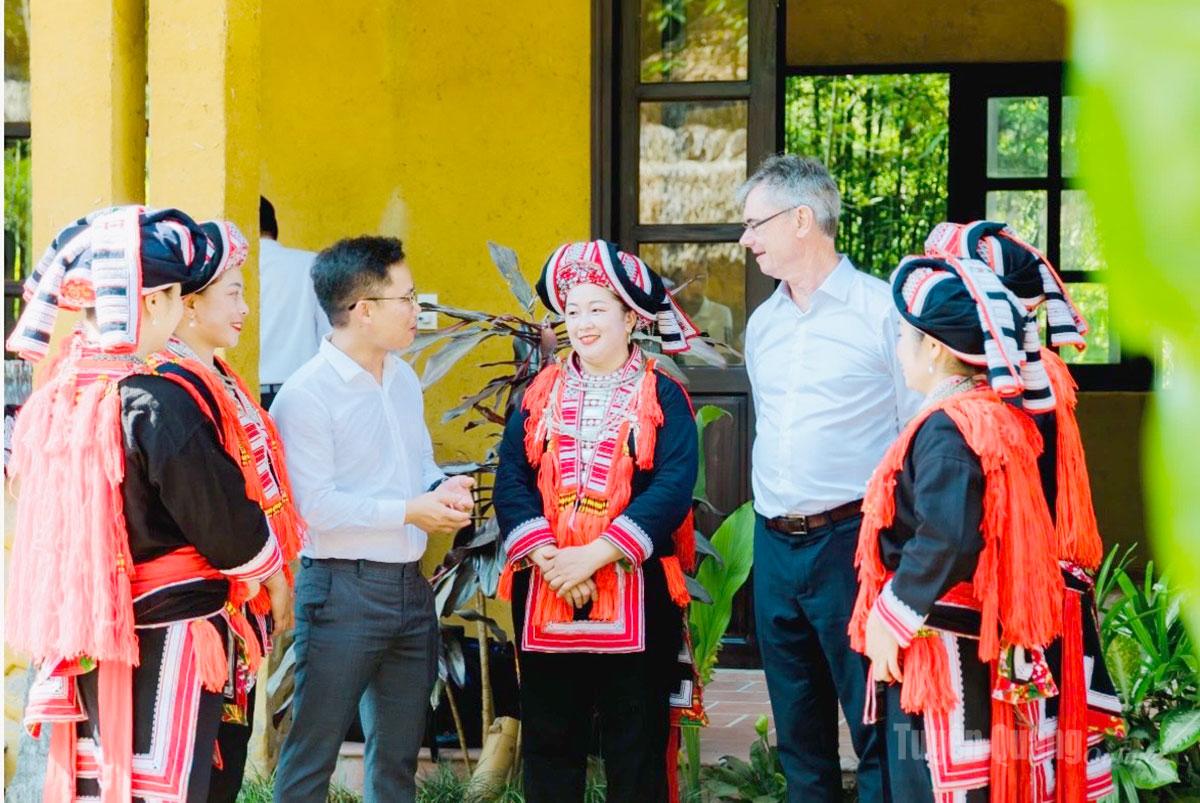
Visitors are warmly welcomed by attentive local staff upon their arrival at the Retreat
More importantly, the operational philosophy is deeply rooted in nature. Panhou prioritizes solar energy, ecological wastewater treatment, and the reduction of plastic waste. The resort sources local organic agricultural products and strictly follows the 3R model: Reduce - Reuse - Recycle.
At Panhou, natural trees are preserved, and paths are designed to "contour" the forest's shape rather than clearing trees for expansion. In the morning, from the porch, guests can watch the mist drifting over the terraced fields. In the afternoon, sunlight filters through the bamboo forest, casting a golden hue over the stone pathways. At night, the sound of the stream blends with the chirping of insects, creating a peaceful symphony that many city dwellers have long forgotten.
Behind this tranquil space lies a journey of over 20 years pursuing sustainable tourism by the founders of Panhou Retreat. Instead of mass development, the resort opts for slow growth, maximizing the preservation of the original landscape and prioritizing harmony with nature.
The Dao People: Preserving Forests through Indigenous Lifestyles
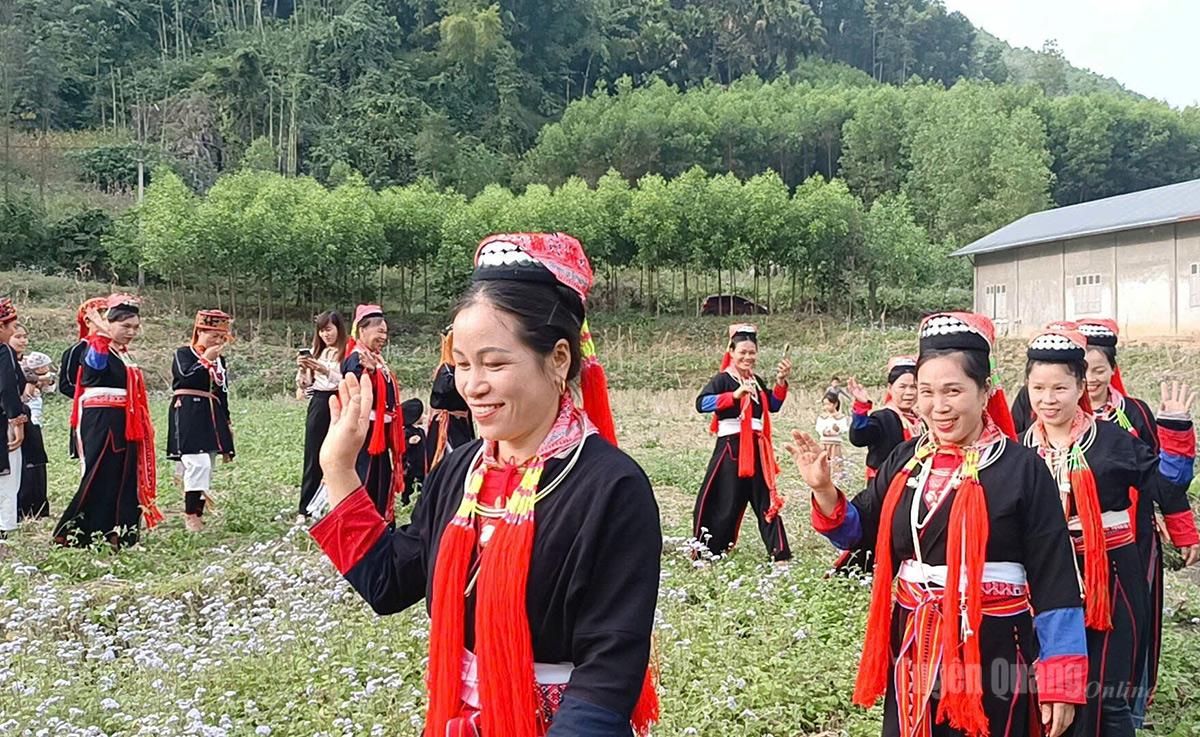
If nature creates the beauty of Panhou, then the people are truly its soul. For generations, the Red Dao in Thong Nguyen have lived in reliance on the forest. The forest provides them with medicinal plants, water sources, building materials, and customs that bind their community. To them, the forest is not merely a resource; it is an essential part of their culture.
At Panhou Retreat today, 100% of the staff are local ethnic minorities. Red Dao women, who once knew only the fields and hills, can now communicate with international tourists, guide them through indigenous cultural experiences, and share stories of their homeland with confidence and pride.
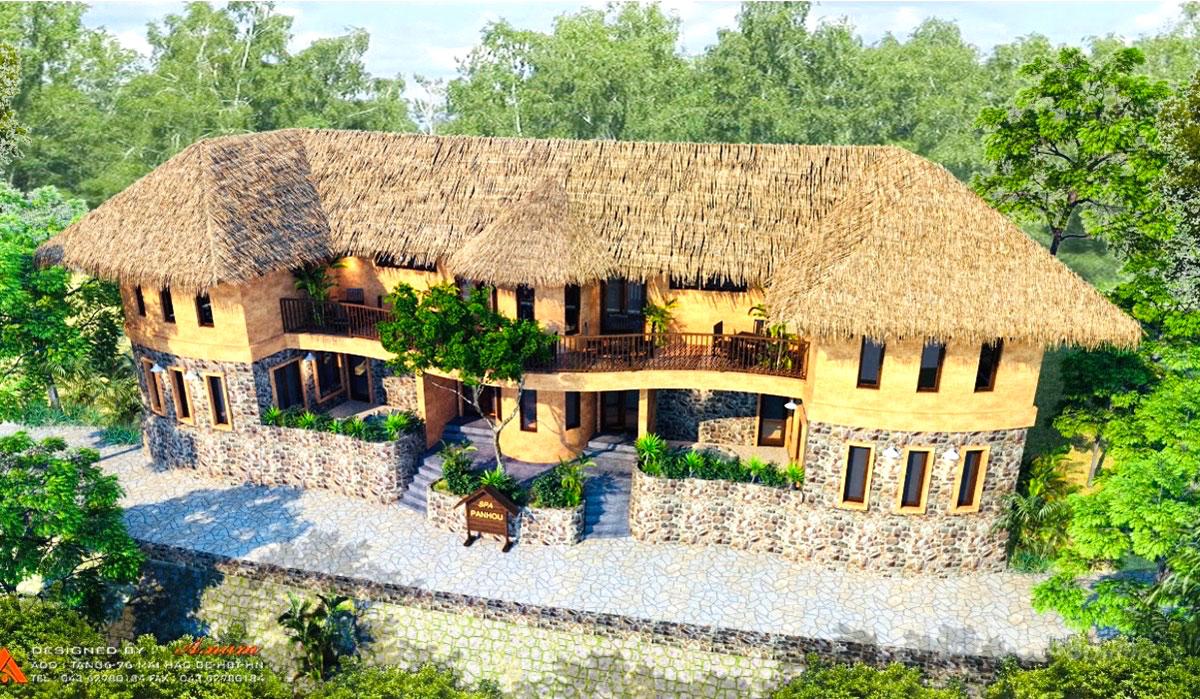
A fairy-tale-like bungalow within the Panhou Retreat, Thong Nguyen
A Red Dao woman gently prepares a steaming pot of medicinal leaves. These leaves, gathered from the forest, dried to perfection, and blended according to secret remedies passed down through generations, offer a unique healing ritual. Guests soak in the hot herbal water, breathing in the earthy scent of the mountains, and feeling a deep sense of relaxation in the tranquil space.
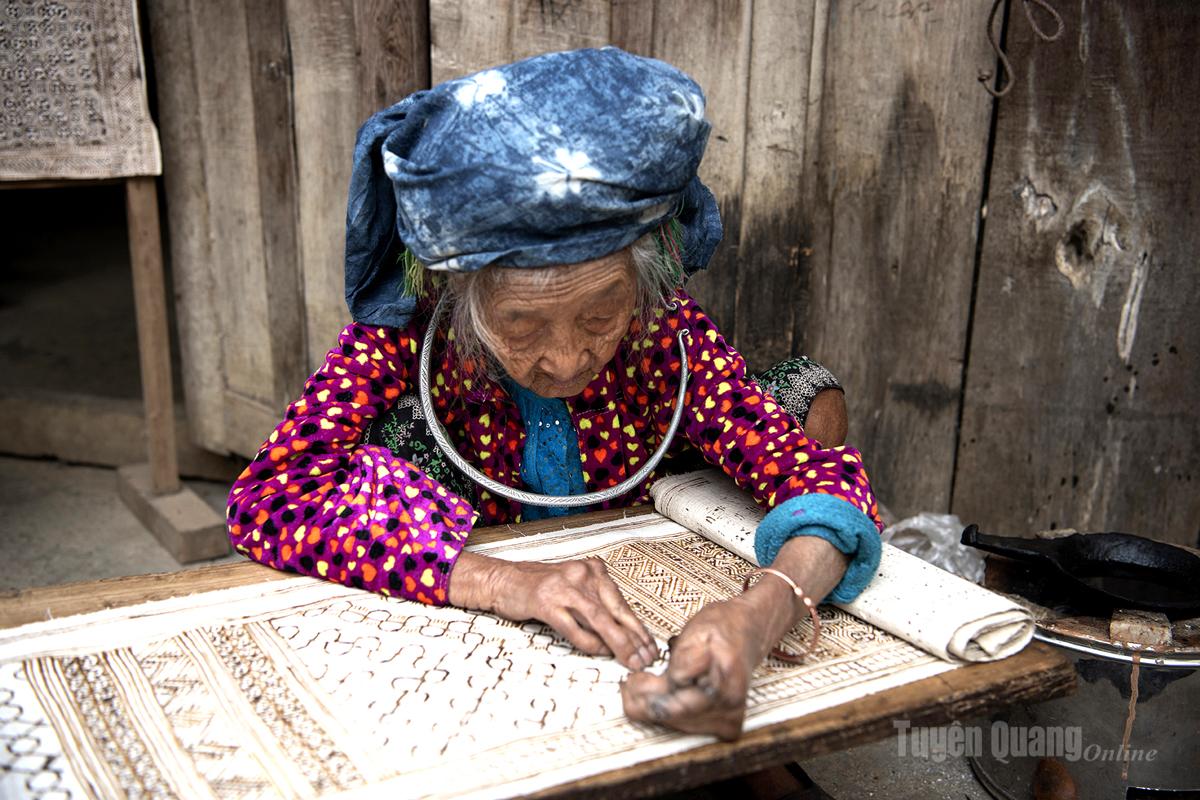
Beyond herbal baths, visitors can engage in making Dzo paper, learn to cook ethnic dishes, savor herbal teas, trek through the forests, or sit by the hearth listening to Dao elders share tales of the mountains and villages. Each experience is not merely a tourism service; it is a way to preserve indigenous knowledge that faces the risk of fading away.
Preserving Identity Amidst Modern Tourism
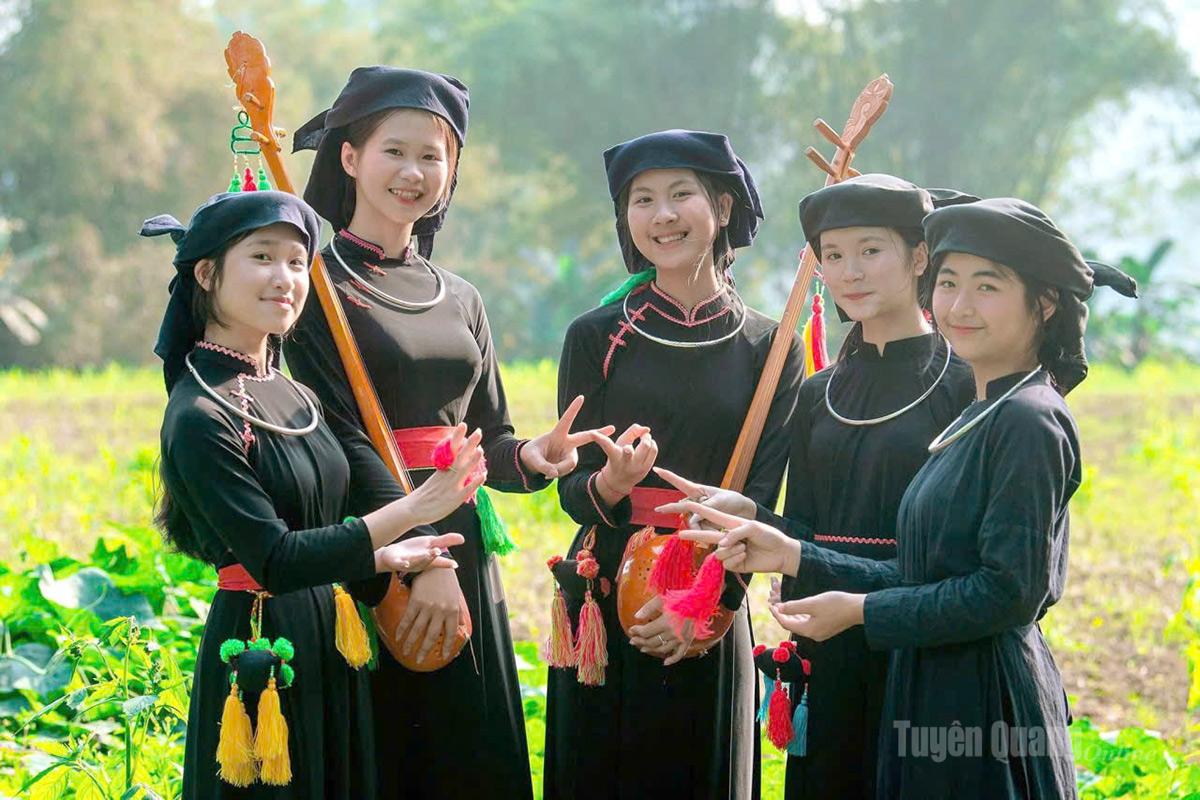
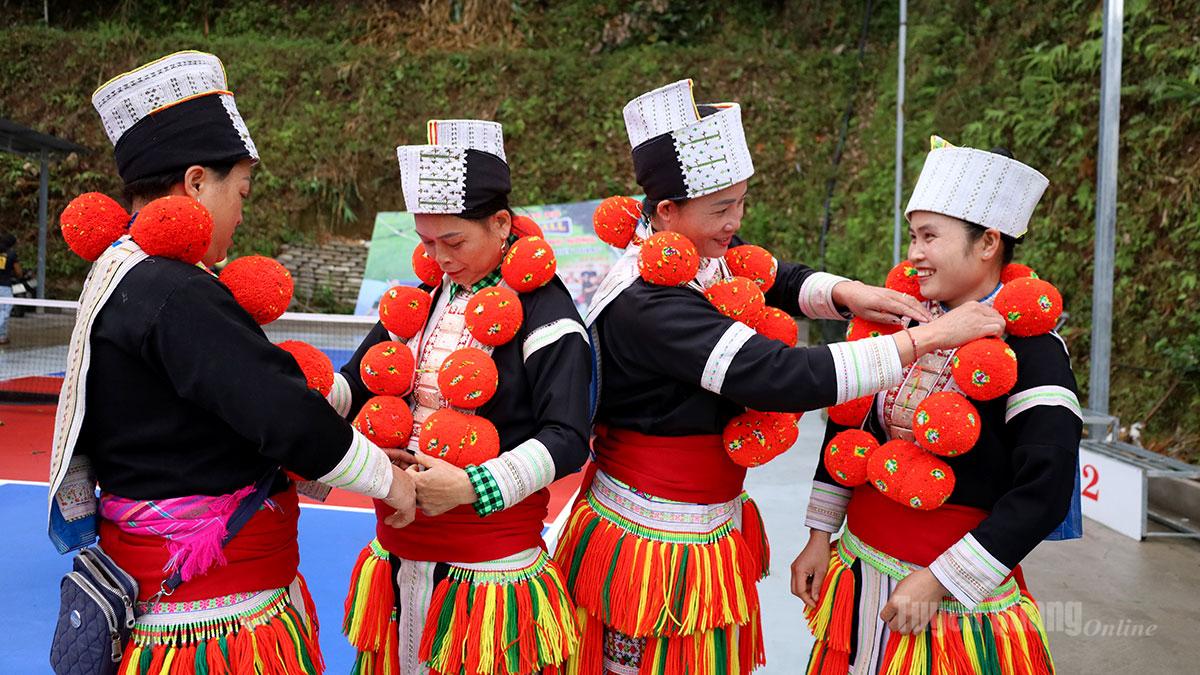
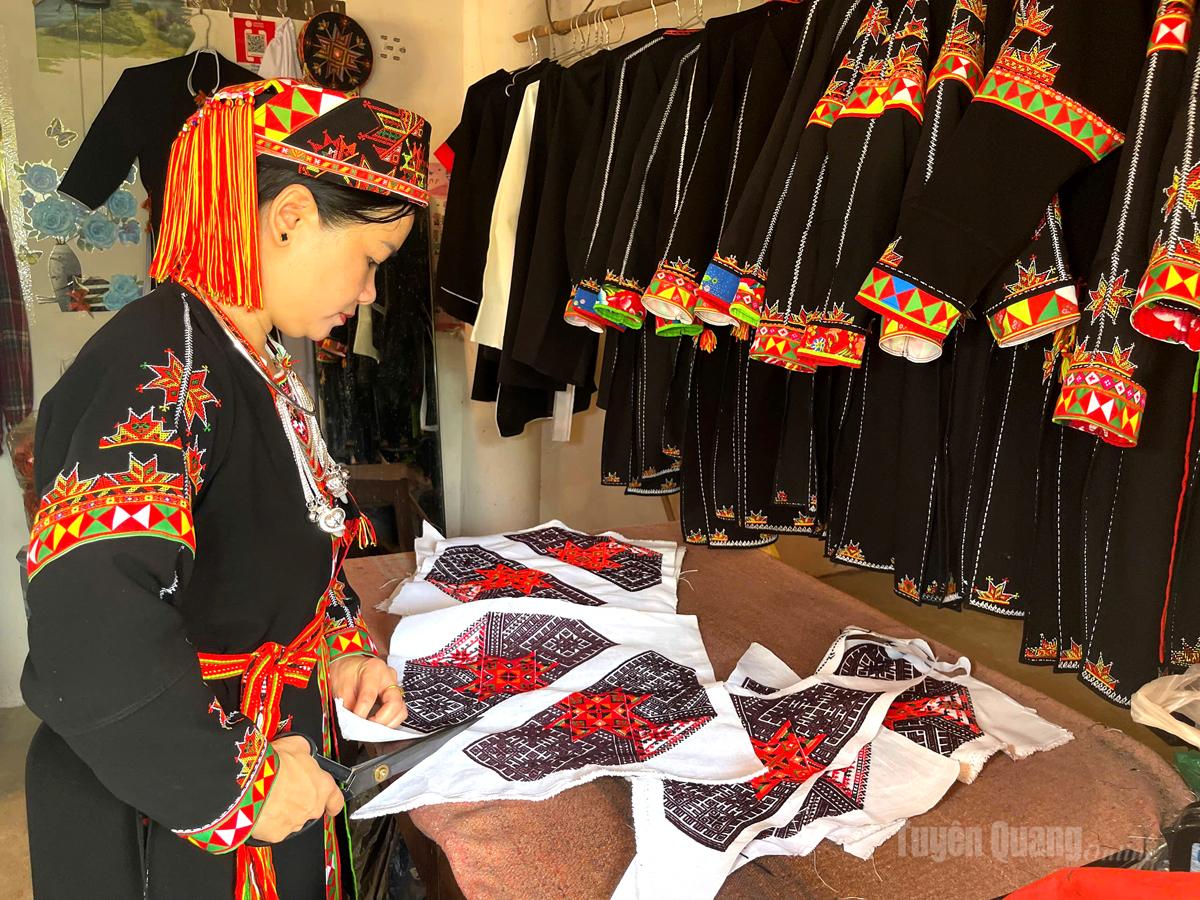
The space at Panhou resembles a miniature "Dao village" nestled in the heart of the wilderness. The distinctive red patterns of Dao traditional attire serve as architectural highlights, while local dishes are cherished as cultural memories. In the evenings, the sounds of the flute and folk songs by the campfire allow guests to truly feel the "breath" of the mountains.
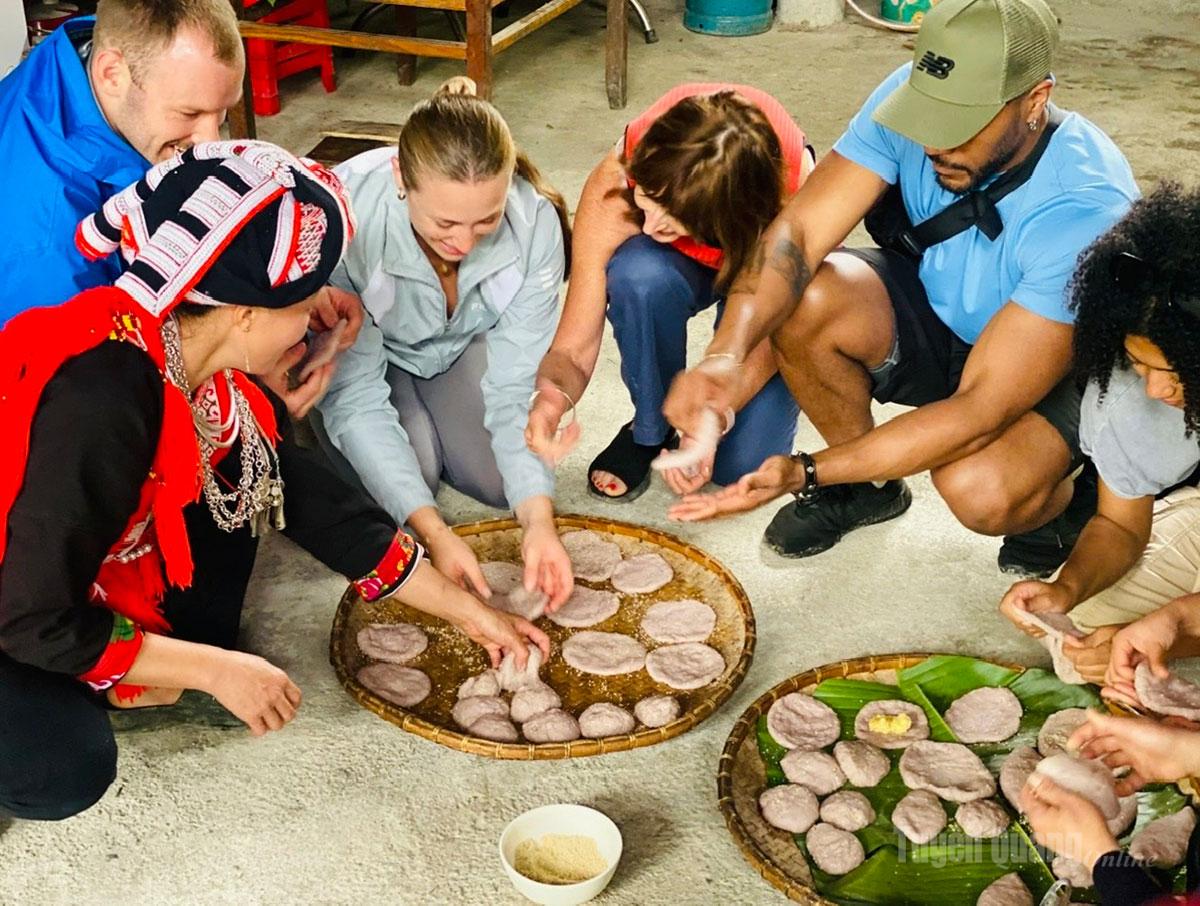
Travelers enjoy a hands-on experience making traditional "Banh Day" (round sticky rice cake) with the locals
Many travelers come to Panhou not for a mere "check-in," but to slow down amidst nature. Some spend entire mornings walking beneath bamboo forests, listening to the flow of water and breathing in the crisp mountain air. Others sit for hours on the porch watching the mist dissipate over terraced fields.
Tourism has opened a new path for highlanders: instead of exploitative harvesting, people preserve the pristine beauty of nature to develop sustainable tourism. Amidst the vast wilderness of Thong Nguyen, Panhou resembles a "green oasis" quietly nestled under the ancient forest canopy. As twilight descends, kitchen smoke drifts from houses tucked beneath the trees, the sound of streams continues to murmur in the deep forest, and the notes of a flute echo by the firelight. One suddenly realizes that the greatest beauty of tourism lies not in glamour, but in the ability to preserve the soul of a land.
At Panhou, the Red Dao people are doing just that in the simplest way: preserving the forest through tourism and safeguarding their culture through their very way of life.
Nguyen Thanh Hieu
Vietnamese source: Tuyen Quang online