A job fair section in Tuyen Quang province
The Story of Self-Reliance
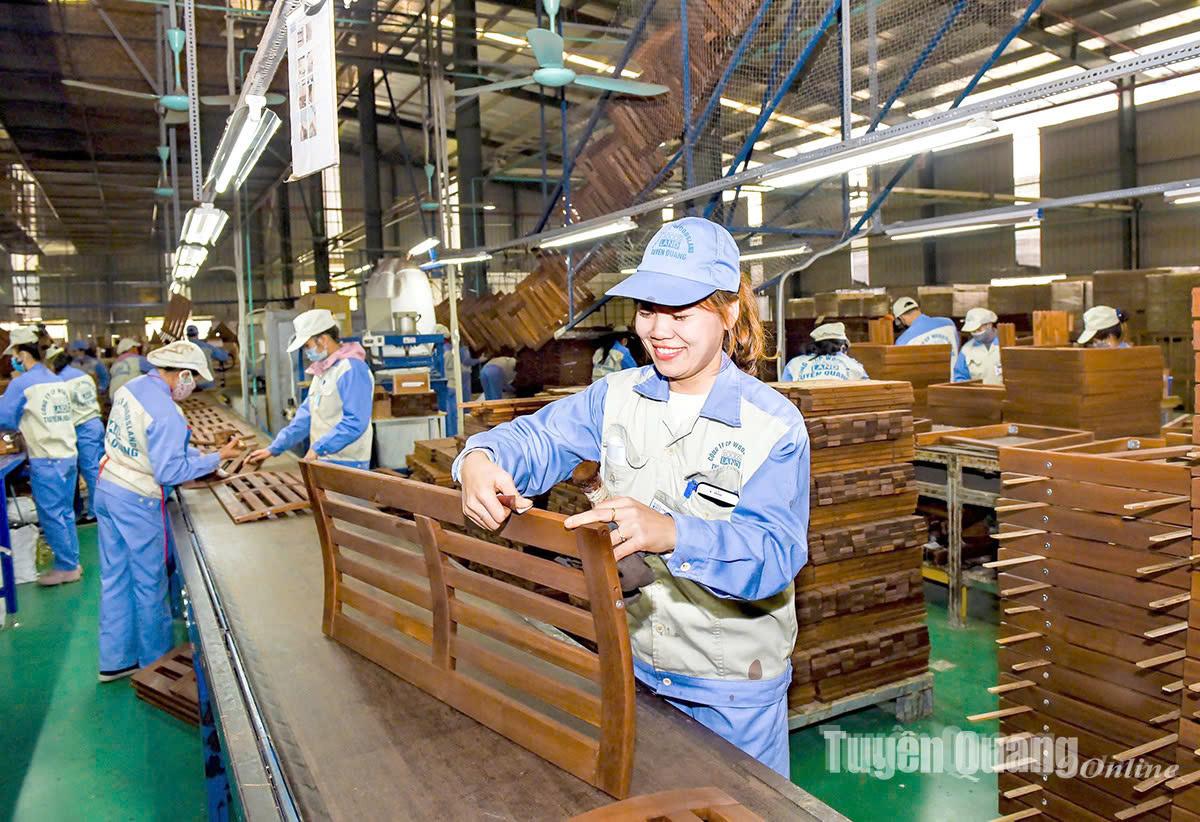
For years, the financial burden weighed heavily on Hoang Thi Thuy’s family in Kim Phu commune. But in early 2024, Thuy’s fortunes shifted. After attending a provincial job fair, she secured a stable manufacturing position in the Long Binh An industrial park. Her average monthly salary, now exceeding $266 USD, has not only stabilized her family’s finances but has provided crucial capital to start a profitable side business raising pigs.
Thuy’s experience—the double economic benefit of stable salaries and entrepreneurial growth—is the direct result of a bold, radical strategy unfolding across Tuyen Quang province. The region is treating job creation not merely as a social welfare measure, but as the core economic engine for achieving its 2025–2030 goal of sustainable, multi-dimensional poverty reduction. The entire strategy is built on the principle of empowering every family to achieve self-reliance.
A Three-Pillar Strategy for the Workforce
Tuyen Quang’s approach is decisive and multi-pronged, focusing on connecting its people to opportunities both at home and abroad.
1. Local Opportunity Cultivation
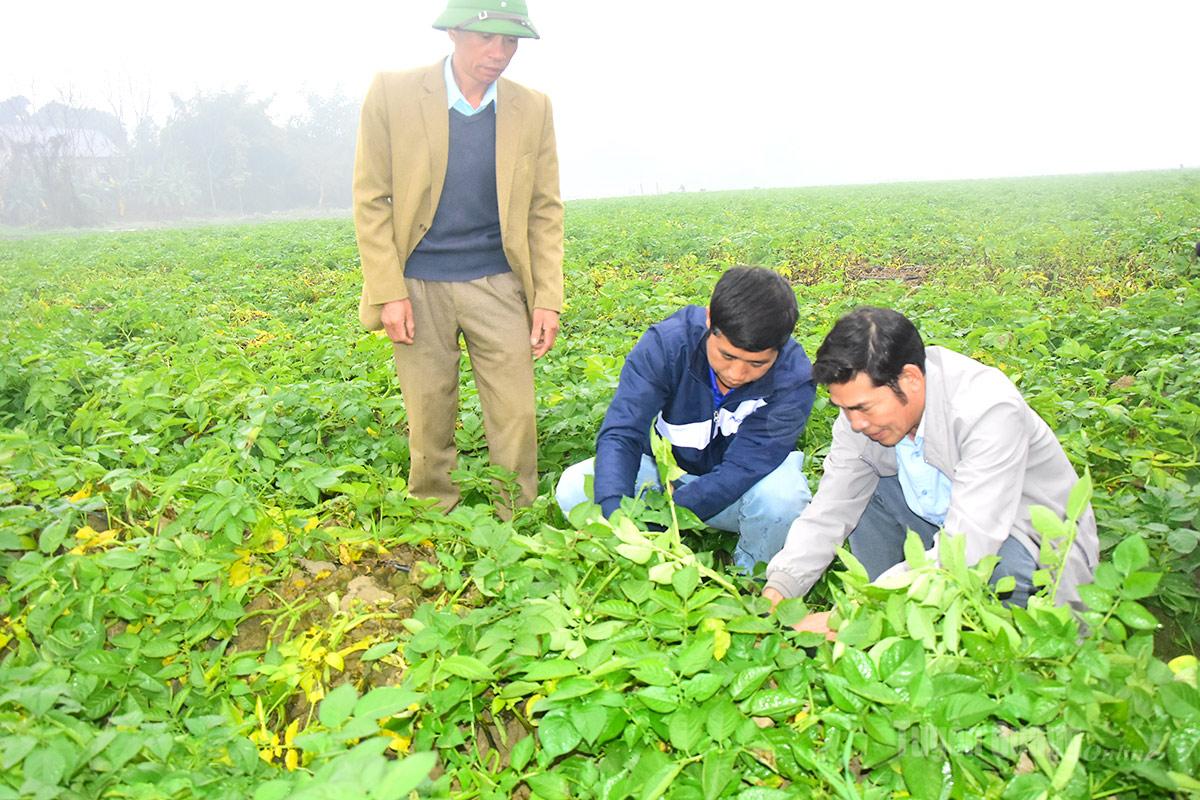
The province proactively supports small-scale local production, livestock rearing, and service businesses. Crucially, Tuyen Quang leverages its rich cultural festivals and stunning natural landscapes to create immediate employment through tourism development, capitalizing on existing cultural assets. This approach guarantees that new jobs utilize local strengths and keep capital within the community.
2. Connecting Skills to Market Demand
A major provincial effort has been dedicated to improving labor market connectivity. This involves:
Targeted Outreach: Organizing frequent Job Fairs (both physical and digital) to connect workers—especially those in remote and ethnic minority regions—directly with recruiters in industrial zones both inside and outside the province.
Skill Alignment: Heavily revamping vocational training programs to align skills directly with current business and market demand, ensuring the local workforce is competitive and ready for high-value jobs.
The impact of this connectivity is visible across all demographics. Chang Mi Tua, an ethnic minority worker from Can Ty commune, secured a high-paying job in the Vietnam National Coal and Mineral Industries Group (TKV) through a provincial fair. His salary, exceeding $760 USD per month, allows him to invest in his family’s future and fully fund his children’s education.
3. The Global Income Highway
For workers seeking the highest possible returns, Tuyen Quang promotes foreign labor export as a pathway to rapid wealth accumulation. Thao A Senh, an ethnic Hmong from Da Vi, chose to work in Japan as a metal worker. After just two years, he regularly sends home nearly $1,140 USD monthly. This accumulated capital has lifted his family significantly, enabling them to invest in production models, achieve self-sufficiency, and establish long-term sustainable wealth.
Underscoring the Success
The statistics underscore the tangible results of this human-centered strategy. According to the Department of Home Affairs:
- 39,627 jobs were created in the first 10 months of 2025 alone, meeting 94.4% of the annual target.
- This figure includes 1,262 workers placed in high-return foreign contracts.
Nguyen Duc Chinh, Director of the Provincial Employment Service Center, confirms that future efforts will prioritize expanding digital job fairs and outreach to the most remote communes. This comprehensive job creation drive is the engine powering Tuyen Quang’s bold vision for 2025–2030: to reduce the national-standard poverty rate by 3–4% annually, establishing a resilient economic foundation where every citizen is empowered to prosper.
By Nguyen Thanh Hieu
Reedited a Vietnamese article on "tuyenquangonline"