The Green Therapy
"Forest Communion" is a form of nature healing therapy that helps people relax and regenerate energy through slow walking, deep breathing, and sensing the clean, fresh atmosphere of the woods. It is more than just a stroll; it is about freeing the mind and engaging all the senses - listening to the wind, inhaling the scent of tree sap, touching the bark, and watching sunlight filter through the canopy - to absorb clean energy from nature.
From its birthplace in Japan, this trend has quickly spread to South Korea, Europe, and the United States. In Vietnam, Forest Communion is also becoming a new tourism trend, combining ecological experiences with health and wellness. National forest sites such as Cuc Phuong, Ba Vi, Bach Ma, Phong Nha - Ke Bang, and the pine forests of Da Lat have begun organizing tours featuring slow walks, meditation in the forest, stream bathing, and listening to meditative music. Tourists are encouraged to slow down, breathe deeply, and feel connected to nature.
Beyond helping individuals find balance in modern urban life, Forest Communion contributes to raising awareness for forest protection and developing sustainable green tourism. In the rhythm of contemporary city living, this is considered a "green therapy" - a place where people can find themselves amidst the sound of the wind and the scent of the earth.
An Opportunity for Tuyen Quang Tourism
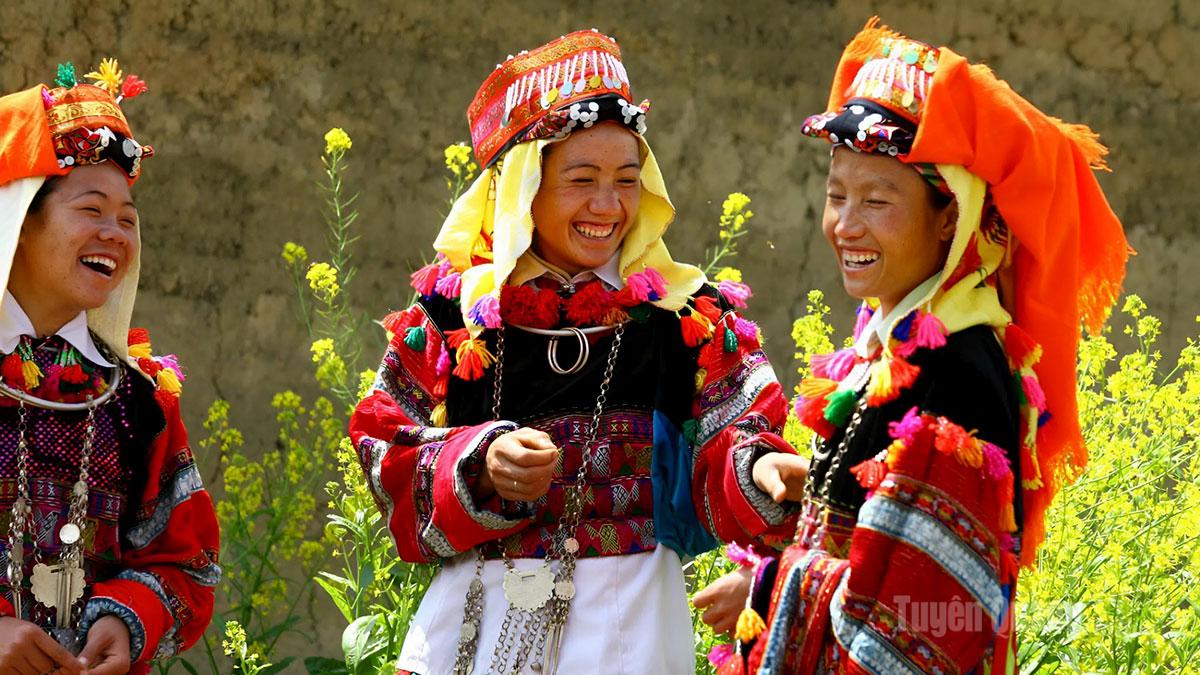
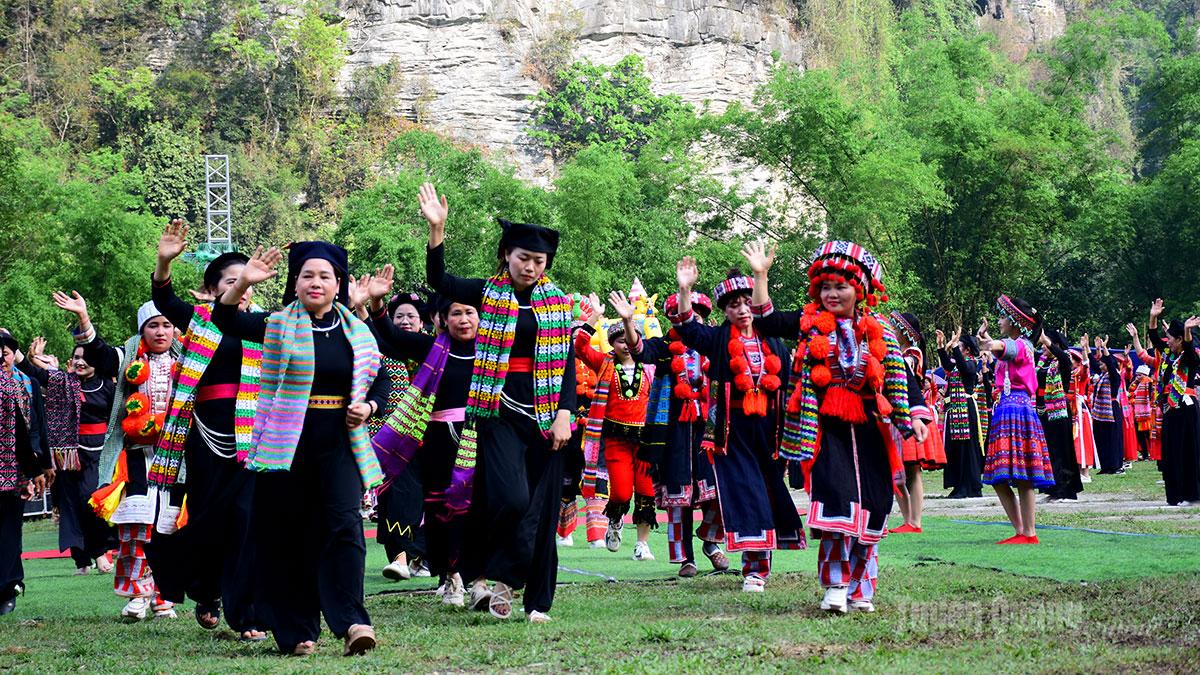
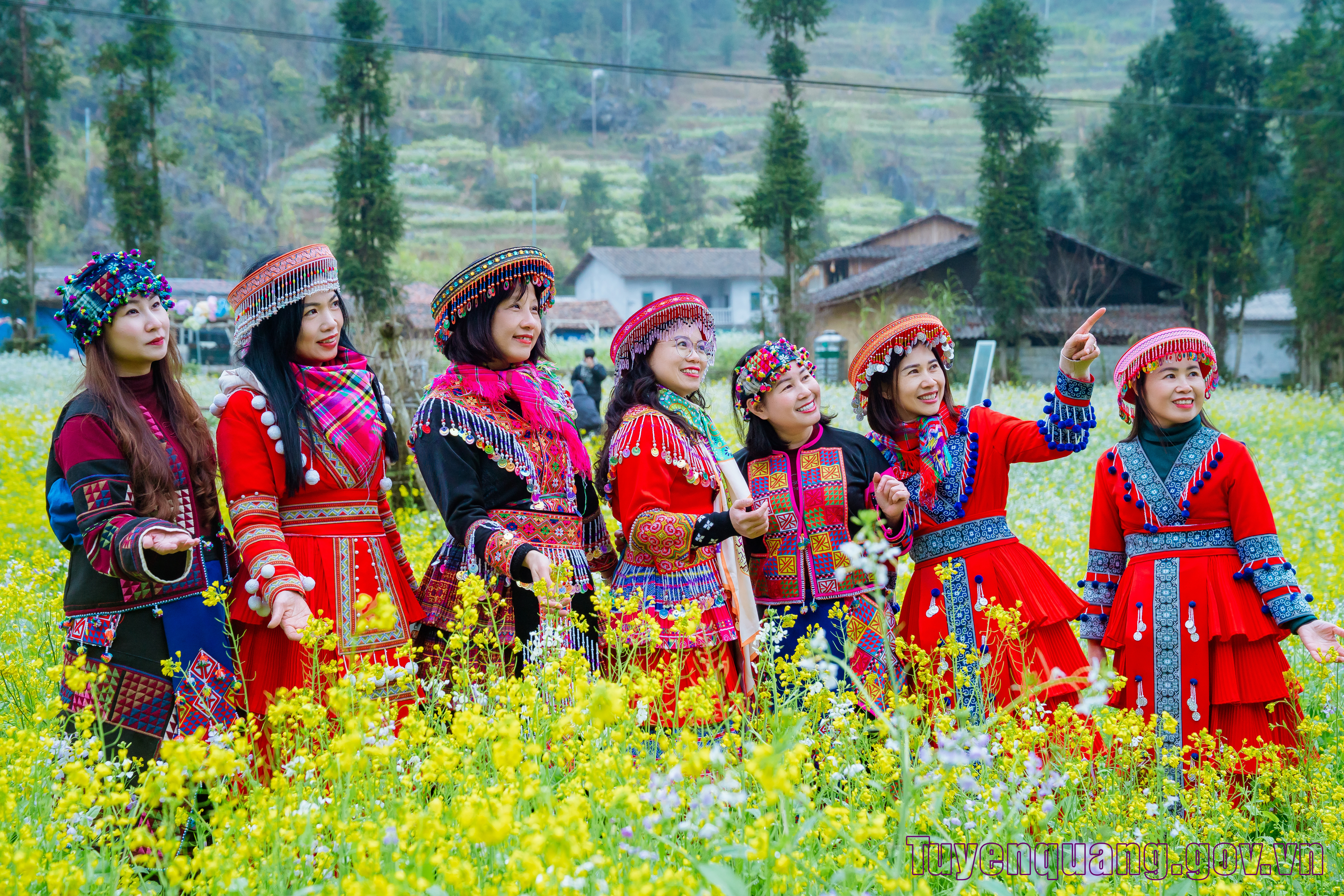
With forest coverage exceeding 65% and possession of numerous pristine forests, special-use forests, and famous ecological landscapes, Tuyen Quang is exceptionally well-positioned to develop this type of tourism. Furthermore, the province's ethnic minority communities—such as the Tay, Dao, Mong, and Pa Then - are closely connected to the forest. Their valuable indigenous knowledge of plants, medicinal herbs, and natural healthcare customs provides a strong foundation for building a unique Forest Communion model that integrates nature therapy with local culture.
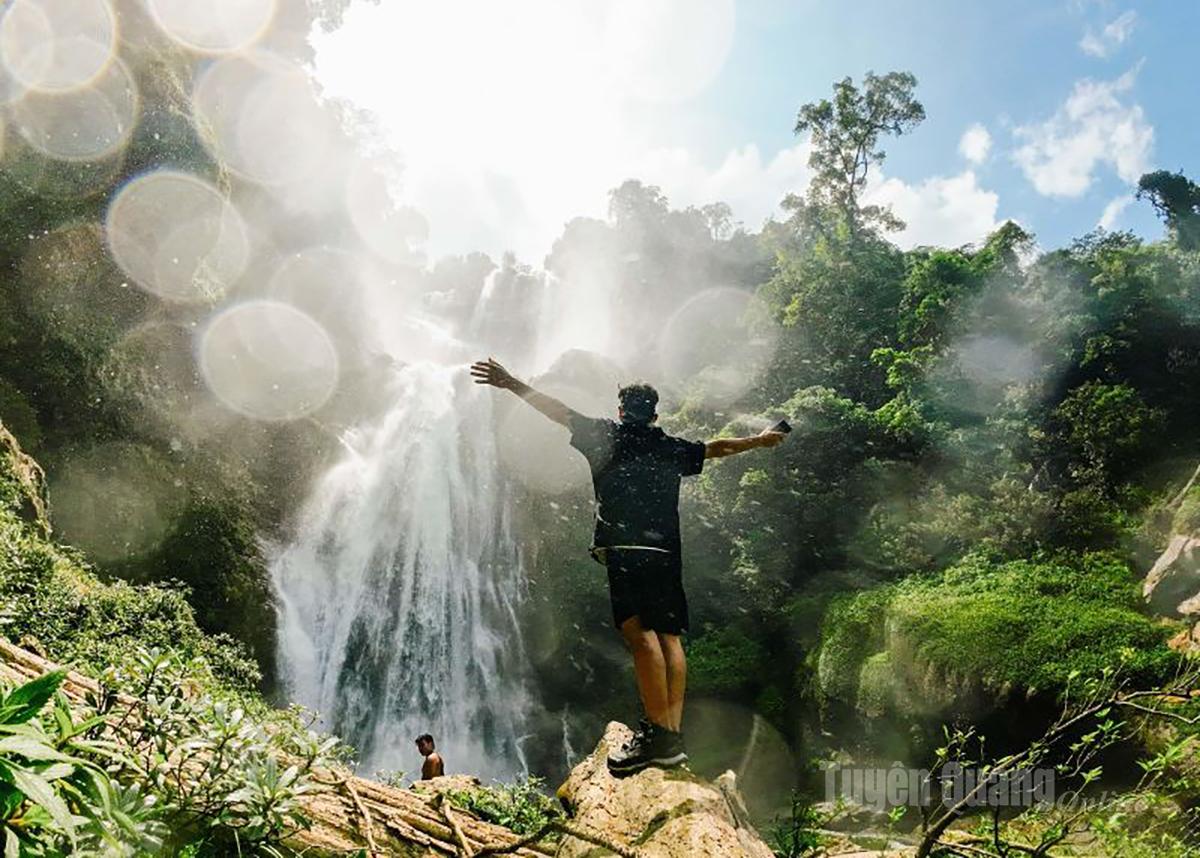
Tourists enjoy the Forest Communion experience in Lam Binh.
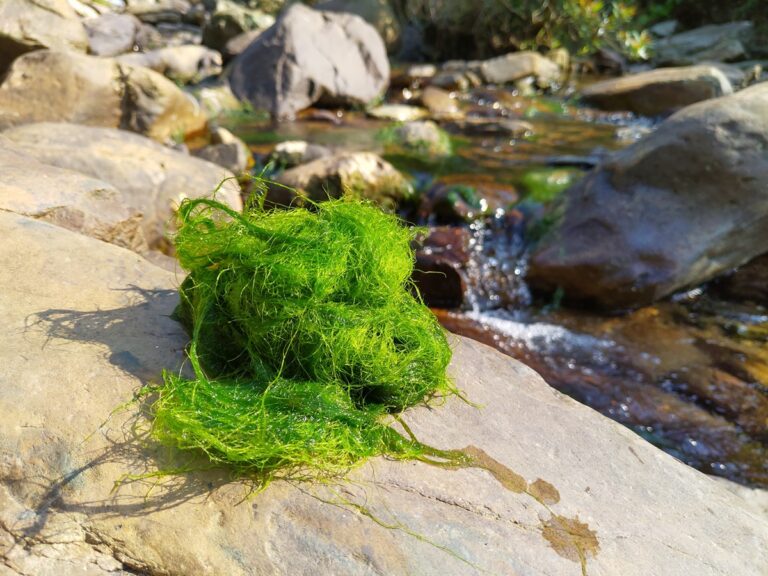
Many key forest-rich areas in the province should be strategically oriented toward developing this type of tourism. A prime example is the Na Hang - Lam Binh Ecological Tourist Area, with its vast lake and continuous mountain ranges. This area is ideal for organizing "Lakeside Forest Communion" routes, combining boat sightseeing with stops in the forest for meditation and yoga, and enjoying forest leaf tea from community tourism villages like Na Tong and Thuong Lam, which serve as cultural rest stops.
The Cham Chu Nature Reserve (Ham Yen) with its immense primary forest and cool climate could develop "Therapeutic Forest Communion - Energy Recovery" tours, combined with ecological retreats, Dao herbal leaf baths, and herbal massages.
The Tan Trao Historical Forest can integrate the Forest Communion experience with historical root journeys. Tourists can stroll through the forest and meditate within a historical space, listening to stories about Uncle Ho during the preparation for the August Revolution, sensing the harmony between humanity, nature, and national history.
To ensure sustainable development, the province needs to train a team of ecological and forest therapy guides, construct small, eco-friendly resorts, and intensify communication and promotion on digital platforms using imagery like "Breathing with the Great Forest of Tuyen Quang." Linking tours between different localities will also expand visitor flow, turning Tuyen Quang into a green destination in the Northeast mountains.
Alongside development, special attention must be paid to safeguarding forest safety and the ecological environment. Forest Communion routes must be scientifically planned, avoiding road construction that encroaches deeply into the forest core. Only designated areas should be exploited, under the supervision of forest rangers and local authorities. Tourists need to be thoroughly instructed on forest etiquette: no breaking branches, picking leaves, littering, lighting fires, or carrying flammable materials. Tourism activities must adhere to the "Green Footprint" principle - visiting and leaving without causing harm to nature.
Furthermore, it is necessary to enhance local community awareness regarding landscape preservation, preventing wildlife hunting and illegal logging. They should also be encouraged to participate directly in eco-tourism activities to generate legitimate income from the forest.
Developing Forest Communion not only opens a new direction for the province's tourism sector but also contributes significantly to protecting forest resources, creating livelihoods for forest residents, and instilling pride and a sense of responsibility toward the living environment.
Nguyen Thanh Hieu
From a Vietnamese source on tuyenquang online